

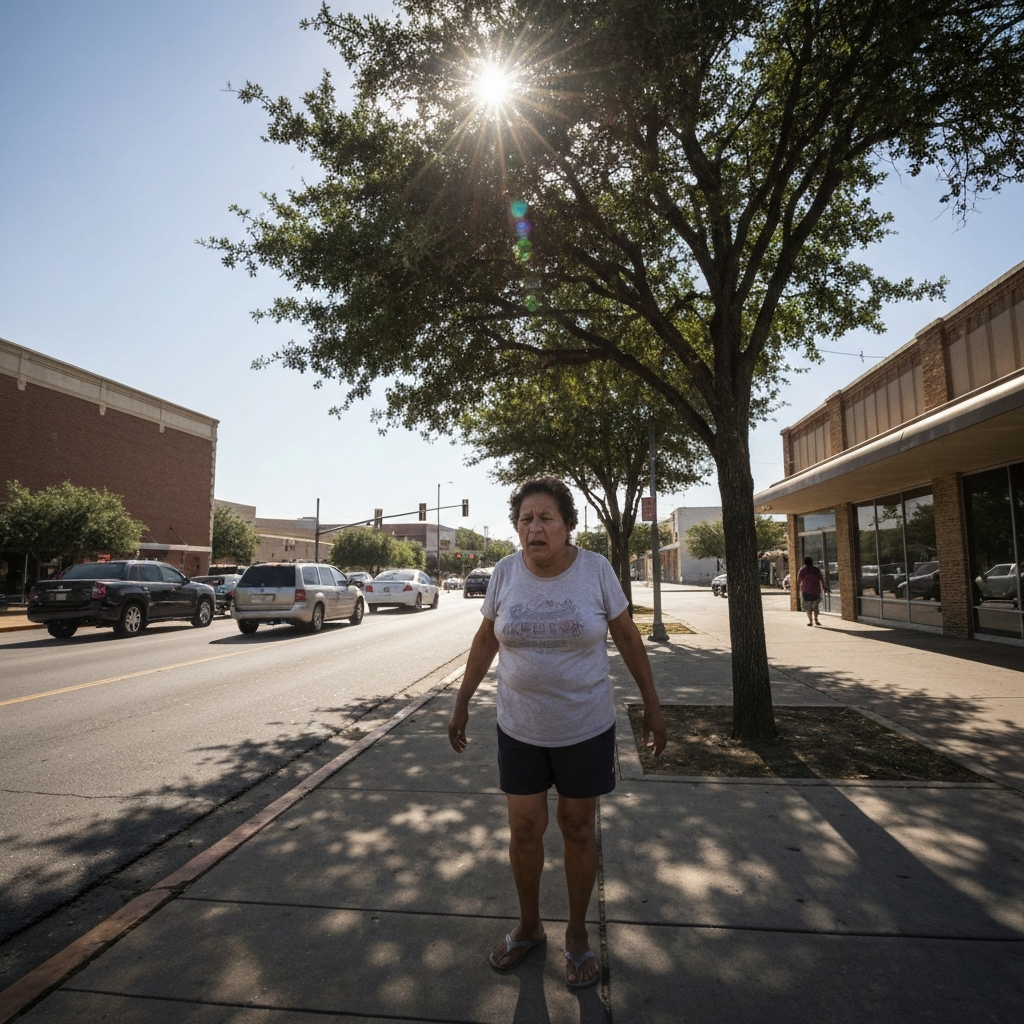
As global climate patterns continue to evolve, communities worldwide are experiencing significant environmental changes. Garland, Texas, is no exception. Understanding these global trends and their local implications is crucial for residents and policymakers alike.
Rising Temperatures and Heat Risk
One of the most pressing concerns is the increase in extreme heat events. Historically, Garland experienced approximately seven days per year with temperatures exceeding 101.4ºF. Projections indicate that by 2050, this number could rise to about 39 days annually. Such a significant increase poses health risks, particularly for vulnerable populations, and can strain local infrastructure and energy resources.
Increased Drought Conditions
Garland’s susceptibility to drought is also expected to intensify. The East Fork Trinity watershed, encompassing Garland, has faced drought conditions in 61% of weeks since 2000, with 12% of those weeks classified as Extreme or Exceptional drought. Future projections suggest that water stress levels will be higher around 2050 compared to 2015, emphasizing the need for sustainable water management practices.
Shifts in Precipitation Patterns
Changes in precipitation patterns are another consequence of global climate shifts. In Garland, the proportion of annual rainfall occurring during heavy downpours is projected to increase from 48% in 1990 to 51% by 2050. While the total annual precipitation is expected to remain around 37.5 inches, the intensity and frequency of heavy rainfall events could lead to localized flooding and infrastructure challenges.
Wildfire and Flood Risks
Approximately 60% of buildings in Garland are at significant risk of wildfire, and about 10% face notable flood risks. The likelihood of dangerous fire weather days is anticipated to rise through 2050, and buildings at risk of flooding have an average 37% chance of experiencing a flood about 1.3 feet deep over 30 years. These projections underscore the importance of proactive planning and community resilience efforts.
Community Response and Adaptation
In response to these challenges, Garland has been proactive in enhancing its infrastructure and community programs. The city operates its own municipal electric provider, Garland Power and Light, ensuring reliable energy services. Additionally, Garland boasts over 2,880 acres of parkland and multiple recreation centers, providing residents with green spaces that can help mitigate urban heat effects.
Understanding the local impacts of global climate trends is essential for developing effective adaptation strategies. By staying informed and engaged, Garland residents can contribute to building a resilient community prepared to face the challenges of a changing climate.