

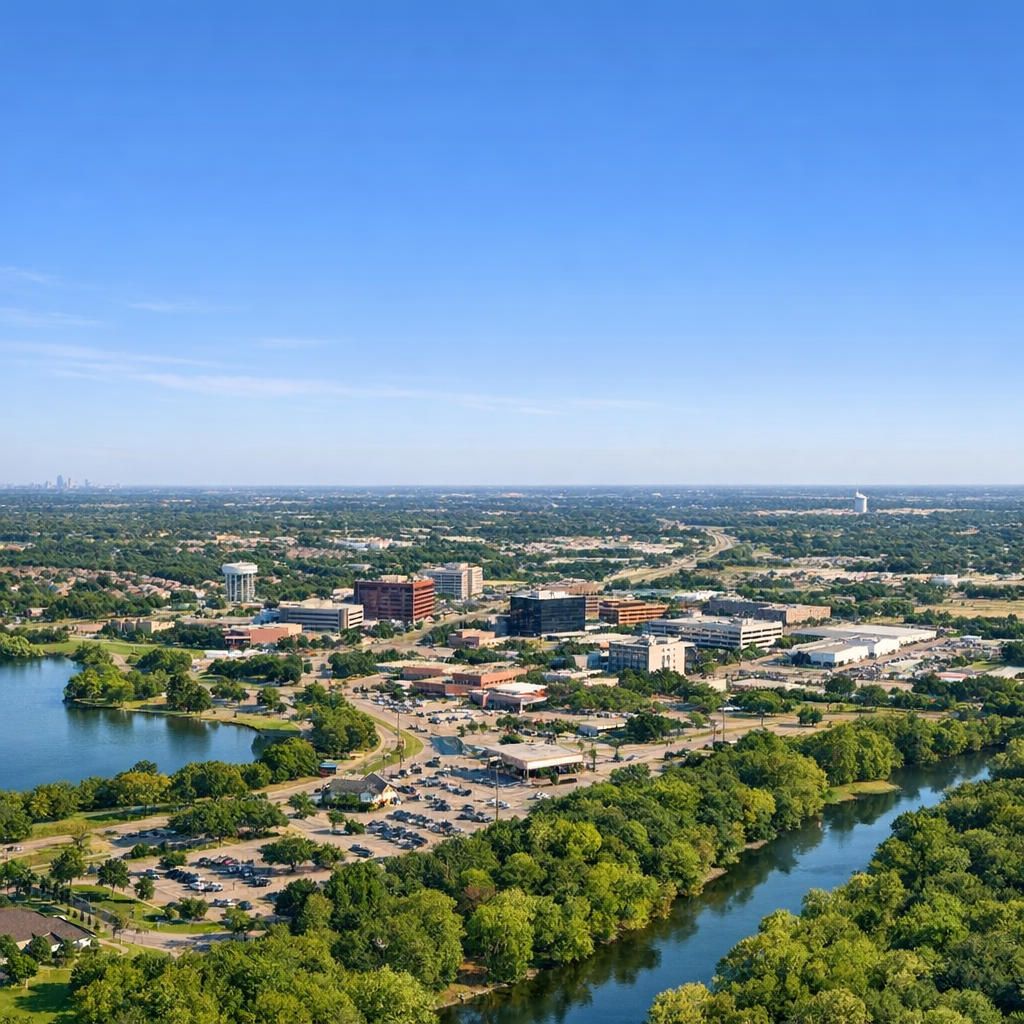
Garland, Texas, experiences a humid subtropical climate, characterized by hot summers and mild winters. This climate type, classified as Cfa under the Köppen system, ensures that residents and visitors encounter a variety of weather conditions throughout the year.
Seasonal Weather Patterns
Summer
Summers in Garland are notably hot and humid. The warmest period spans from early June to mid-September, with average high temperatures exceeding 88°F. August typically stands out as the hottest month, recording average highs around 94°F. During this season, residents should be prepared for prolonged heat and ensure they stay hydrated and take necessary precautions against heat-related illnesses.
Winter
Winters are relatively mild compared to many other regions. From late November to late February, average daily high temperatures remain below 63°F. The coldest months, December through February, see highs ranging from the mid-50s. Snowfall is rare, averaging about 1 inch annually, making winter conditions generally manageable for outdoor activities.
Precipitation
Garland receives consistent rainfall throughout the year, averaging approximately 38 inches annually. May often emerges as the wettest month, with average precipitation around 5.19 inches. This steady distribution of rainfall supports the region’s lush vegetation but also necessitates awareness of potential flooding during heavy downpours.
Environmental Considerations
Garland’s location in Dallas County exposes it to various natural hazards. The city has a history of severe weather events, including tornadoes and hailstorms. Its proximity to the East Fork Trinity River increases the risk of flooding, especially during periods of heavy rainfall. Additionally, the area is susceptible to heatwaves, which can pose health risks, particularly to vulnerable populations.
To address environmental concerns, the City of Garland has implemented several initiatives. The Environmental Compliance department works diligently to keep water bodies swimmable and fishable, and land safe and shareable. They collaborate with other city departments, businesses, and residents to educate and enforce environmental standards. One of their key programs is the Illicit Discharge Detection and Elimination (IDDE), which involves inspecting the municipal separate storm sewer system to detect and eliminate pollution sources.
Understanding Garland’s climate and environmental challenges is essential for residents and visitors alike. By staying informed and participating in local initiatives, the community can work together to maintain a safe and healthy environment for all.