

By Emily Johnson
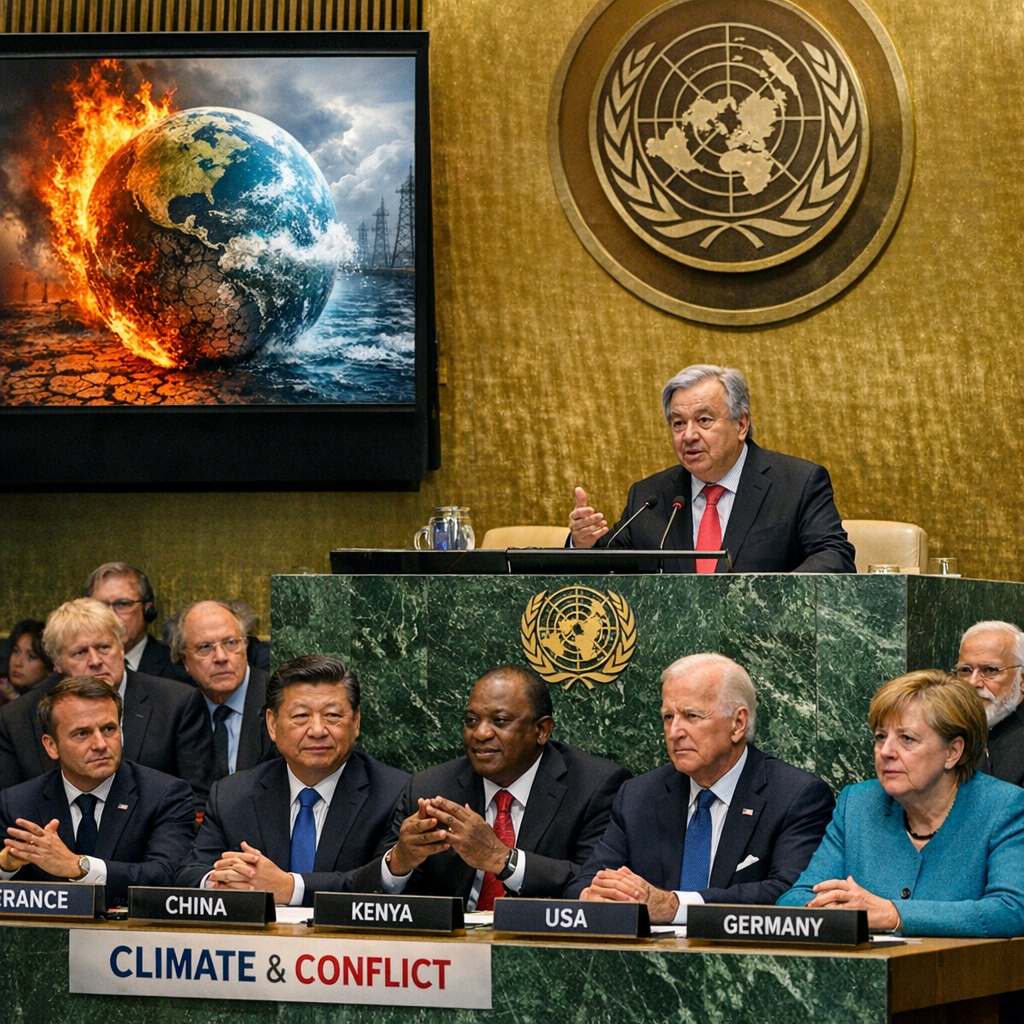
Beyond our local headlines in Garland and Dallas, the world is wrestling with conflicts and climate decisions that could reshape lives everywhere—including here in Texas.
Conflict: Iran, Ukraine, and the Ripple Effects
Armed conflict involving Iran has intensified. Recent strikes on oil tankers in the Strait of Hormuz and claims of breaches in ceasefire talk have pushed tensions high. Meanwhile, the war between Russia and Ukraine remains unresolved, with both sides extending military campaigns despite widespread diplomatic efforts. Each conflict has serious global consequences. Fuel prices have climbed as supply routes are disrupted globally—sparking political and economic strain for many nations. Local communities that rely on imports, travel, or shared global markets may feel the impact through higher costs at the pump or in everyday goods.
Climate Diplomacy: Progress, Gaps, and What Comes Next
On the climate front, global leaders have made some important strides—but clear gaps remain. The Paris Agreement remains the anchor of international climate policy, with goals aiming to limit warming and reduce emissions significantly. Recent climate weeks and negotiations have pushed focus toward implementation, from “just transition” programs that support workers and communities during energy shifts, to new investment in renewable power and reducing waste. However, many scientists warn current commitments still fall short of what’s needed to avoid crossing dangerous warming thresholds. Resources—especially for developing countries—remain insufficient for adaptation and mitigation efforts.
Why It Matters for Us in Garland
Even though these global issues feel distant, they impact daily life here. Rising fuel costs can hit households directly, raise utility bills, and increase shipping expenses for businesses. As climate extremes become more frequent—storms, heat waves, water strain—local infrastructure, health systems, and community resilience are tested. What global agreements and tensions do is set the framework that influences energy policies, trade, and environmental regulation. These, in turn, can guide how cities invest in smart energy use, infrastructure upgrades, and conservation.
Looking Forward: What to Watch
- Diplomatic efforts to de-escalate conflicts, especially in the Middle East.
- Changes in global supply chains & fuel markets in response to tensions—expect more volatility.
- Opportunities for local governments and communities to access funding and technology under climate agreements.
- How well countries follow through on climate promises—not just in speech, but in policy and action.
It’s a complex moment for the world, full of risks and possibilities. Watching global tensions and climate diplomacy unfold helps us make informed decisions locally—whether that’s supporting sustainable infrastructure or staying alert to economic ripples from overseas.